
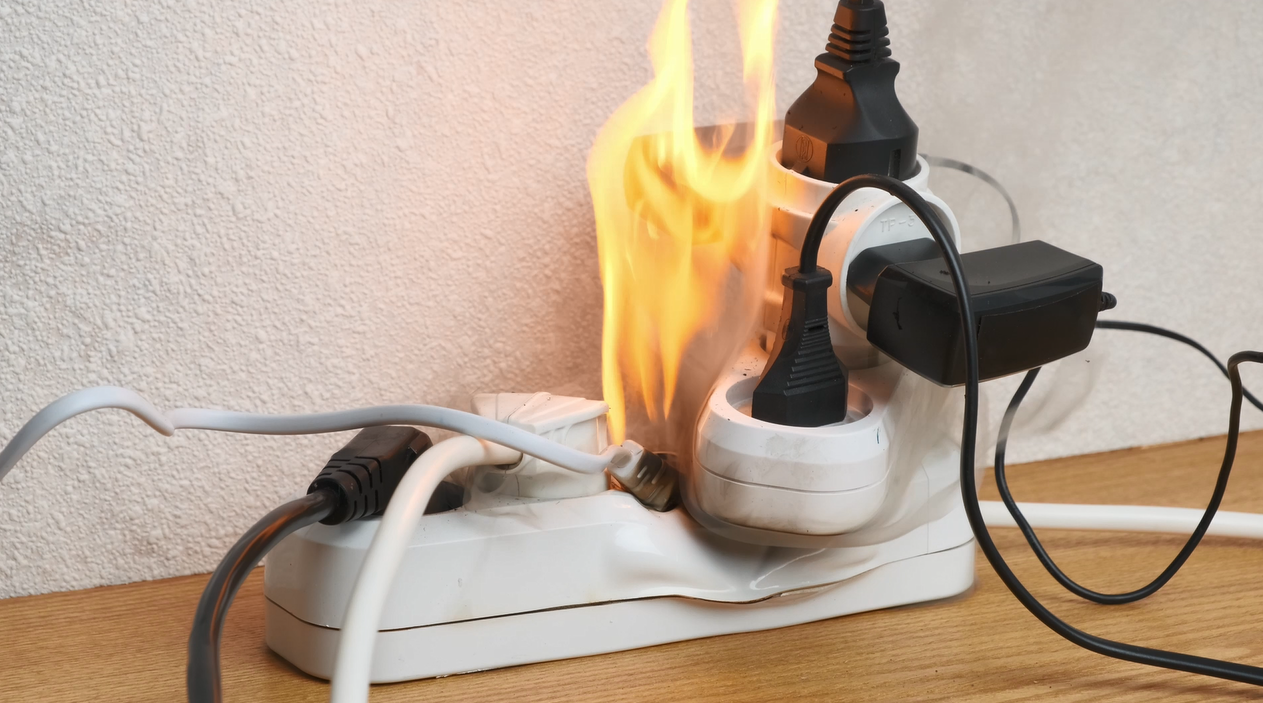
Electricity is an essential part of modern life. Homes, offices, shops, schools, factories, and other buildings depend on electrical systems for lighting, appliances, communication, heating, cooling, and many other everyday activities. However, electrical equipment can also become a source of fire when systems are damaged, overloaded, poorly installed, or inadequately maintained.
Electrical fire safety focuses on preventing electrical faults from becoming fires and ensuring that buildings have appropriate detection and protection measures. Simple habits such as avoiding overloaded outlets, replacing damaged cables, keeping electrical equipment in good condition, and arranging professional inspections can help reduce avoidable risks.
In Pakistan, electrical and fire safety also form part of the wider building-safety framework. The Pakistan Engineering Council lists the Building Code of Pakistan – Fire Safety Provisions 2016 and the Pakistan Electric and Telecommunication Safety Code 2014 among its published codes and standards.
Understanding basic electrical fire safety is therefore useful for homeowners, businesses, property managers, and anyone responsible for a building.
What Is an Electrical Fire?
An electrical fire is a fire associated with electrical equipment, wiring, circuits, appliances, or other energized electrical components.
Electrical problems can create excessive heat, sparks, or other conditions that may ignite nearby combustible materials. A damaged cable, overloaded circuit, loose connection, or defective appliance can become a potential source of heat.
Electrical fires are not limited to large industrial facilities. They can occur in ordinary homes and small businesses where multiple appliances and electrical devices are used every day.
Common areas that require attention include:
- Electrical distribution boards
- Wall outlets
- Extension cords
- Household appliances
- Air conditioners
- Refrigerators
- Computers
- Chargers and adapters
- Lighting equipment
- Motors and machinery
- Generators and related electrical equipment
Common Causes of Electrical Fires
Electrical fires can have different causes. Identifying common problems is an important part of prevention.
Overloaded Circuits
A circuit has limits regarding how much electrical current it can safely carry. Connecting too many high-power appliances to the same circuit can increase the electrical load.
Overloading may cause wiring or electrical components to become excessively warm.
Instead of repeatedly using extension cords or adapters to accommodate more equipment, the electrical system should be assessed by a qualified professional when additional capacity is needed.
Damaged Wiring
Cables can become damaged through age, heat, physical impact, pests, improper installation, or other factors.
Exposed or damaged conductors can create serious electrical hazards.
Warning signs may include:
- Cracked insulation
- Exposed wires
- Burn marks
- Unusual smells
- Sparks
- Discolored outlets
- Repeated circuit interruptions
Damaged wiring should be professionally inspected and repaired rather than covered temporarily and returned to service.
Loose Connections
Loose electrical connections can create resistance and heat. Over time, excessive heating can damage components and potentially create fire hazards.
Loose connections may occur in outlets, switches, distribution equipment, or other parts of an electrical installation.
Because electrical systems can remain energized, inspection and repair should be carried out by a qualified professional.
Faulty Appliances
Electrical appliances can develop faults due to age, damage, manufacturing problems, poor maintenance, or unsuitable operating conditions.
Appliances showing signs of damage should be taken out of service and inspected appropriately.
Signs that an appliance may need attention include unusual smells, overheating, damaged cords, sparks, unusual noises, or repeated electrical trips.
Extension Cords and Power Strips
Extension cords and power strips can be useful when used correctly, but they should not be treated as a permanent substitute for an appropriately designed electrical installation.
Problems can occur when:
- Too many appliances are connected
- High-power appliances are connected to unsuitable extensions
- Cords are damaged
- Cords are placed where they can be physically damaged
- Extension cords are used in unsuitable environments
- Multiple extension cords are connected together
The appropriate solution for a persistent need for additional outlets is usually to have the electrical installation assessed and upgraded by a qualified professional.
Electrical Safety in the Kitchen
Kitchens contain several appliances that consume electricity and produce heat.
Common examples include:
- Refrigerators
- Microwave ovens
- Electric ovens
- Electric kettles
- Toasters
- Blenders
- Food processors
- Dishwashers
Electrical appliances should be kept in good condition and used according to manufacturer instructions.
Water and electricity can create additional hazards, so electrical appliances should be kept away from unnecessary moisture and should only be used in accordance with their instructions.
Air Conditioners and High-Power Appliances
Air conditioners and other high-power appliances can place substantial loads on electrical circuits.
Poorly installed or inadequately maintained electrical connections may create overheating or other problems.
A professional should assess the electrical requirements of high-power equipment before installation. Cables, circuit protection, connections, and other components should be appropriate for the intended load.
The same principle applies to electric heaters, water heaters, pumps, large refrigerators, washing machines, and industrial machinery.
Electrical Panels and Distribution Boards
The electrical distribution board is an important part of a building’s electrical system.
It contains protective devices designed to control and protect electrical circuits.
The panel should be kept accessible and free from unnecessary obstruction. Signs of damage, overheating, burning, unusual sounds, or repeated circuit interruptions should be investigated by a qualified professional.
People who are not trained to work on electrical systems should not open or modify energized equipment.
The Importance of Circuit Protection
Electrical installations use protective devices to help protect circuits from conditions such as excessive current.
Depending on the installation, these can include circuit breakers, fuses, residual-current protection, and other protective equipment.
Protection should be correctly selected and installed for the electrical system.
A protective device repeatedly operating is not simply an inconvenience. It may indicate an underlying electrical problem that requires investigation.
Replacing a protective device with one of an unsuitable rating can create additional hazards.
Regular Electrical Inspection
Regular inspection can help identify problems before they become more serious.
A professional electrical inspection may examine:
- Wiring
- Connections
- Circuit protection
- Distribution boards
- Outlets
- Switches
- Earthing arrangements
- Electrical equipment
- Signs of overheating
- Previous modifications
The appropriate inspection frequency depends on the building, electrical installation, equipment, environment, and applicable requirements.
Commercial and industrial facilities may require more structured inspection and maintenance programs than ordinary residential properties.
Electrical Fire Prevention at Home
Families can adopt several simple habits to improve electrical safety.
These include:
- Avoiding overloaded outlets
- Replacing damaged cables
- Keeping electrical equipment dry where appropriate
- Using appliances according to instructions
- Keeping heat-producing equipment away from combustible materials
- Investigating repeated circuit trips
- Maintaining electrical equipment
- Keeping distribution boards accessible
- Having significant electrical modifications performed professionally
These measures cannot eliminate every possible electrical fault, but they can reduce avoidable risks.
Electrical Fire Safety in Businesses
Businesses often use more electrical equipment than homes.
Offices may have computers, printers, servers, air conditioners, and other equipment. Shops can have refrigerators, lighting systems, displays, and electronic equipment. Workshops and factories may operate motors, machinery, compressors, heating equipment, and specialized systems.
A business electrical-safety program can therefore include:
- Routine inspections
- Preventive maintenance
- Load assessment
- Equipment maintenance
- Cable management
- Professional electrical testing
- Fire-risk assessment
- Emergency procedures
The larger and more complex the installation, the more important structured maintenance becomes.
Fire Detection and Electrical Fire Safety
Preventing electrical faults is only one part of fire safety. Buildings also need appropriate methods of detecting and communicating a fire where required.
A fire alarm system can provide occupants with an early warning when a fire or smoke is detected.
The Building Code of Pakistan Fire Safety Provisions 2016 contains provisions concerning smoke alarms and fire alarm systems for applicable occupancies. For example, the code specifies smoke-alarm requirements for certain residential board-and-care occupancies and requirements for fire alarm systems in certain larger occupancies.
The exact requirements depend on the building’s occupancy, size, design, and other characteristics.
Fire Alarm System in Pakistani Buildings
The phrase fire alarm system in Pakistani buildings covers a broad range of possible installations. A small residential property may use appropriately placed smoke alarms, while a larger commercial building may require a more comprehensive system.
A complete fire alarm system can include components such as:
- Smoke detectors
- Heat detectors
- Manual call points
- Fire alarm control panels
- Audible alarms
- Visual notification devices
- Backup power
- Monitoring equipment
Pakistan Engineering Council also recognizes specialized engineering work involving installation, commissioning, and maintenance of fire detection, alarm, and suppression systems.
This highlights the importance of using appropriately qualified professionals for complex fire protection installations.
Fire Alarm Systems Do Not Replace Prevention
A fire alarm system is important, but it should not be considered a replacement for electrical maintenance.
For example, an alarm may warn occupants after smoke has been detected, but it does not correct damaged wiring or an overloaded circuit.
Electrical fire safety should therefore combine:
- Prevention
- Inspection
- Maintenance
- Detection
- Warning
- Evacuation planning
- Appropriate firefighting equipment
The exact combination depends on the building and its hazards.
Fire Extinguishers and Electrical Fires
Fire extinguishers may form part of an appropriate fire protection plan. However, not every extinguisher is suitable for every type of fire.
Equipment should be selected according to the fire hazards present and applicable requirements.
People should also understand that attempting to fight a fire can be dangerous. If a fire is growing, producing significant smoke, or blocking the escape route, evacuation and contacting emergency services should take priority.
Electrical equipment should never be approached in an unsafe situation merely because an extinguisher is nearby.
Safe Use of Electrical Appliances
Following manufacturer instructions is an important part of electrical safety.
Before using an appliance, check for:
- Damaged cables
- Broken plugs
- Signs of overheating
- Unusual smells
- Physical damage
- Unusual electrical behavior
An appliance showing serious signs of malfunction should be disconnected only when it is safe to do so and should be assessed appropriately.
People should not attempt complex electrical repairs without appropriate training.
Electrical Safety During Power Problems
Power interruptions, voltage fluctuations, and other electrical problems can affect equipment.
Sensitive equipment may require appropriate protective devices based on the manufacturer’s recommendations and the electrical characteristics of the installation.
If appliances repeatedly trip breakers, produce unusual sounds, or behave abnormally after a power event, they should be checked before being returned to normal use.
Generators and Backup Power
Generators can provide useful backup power, but they also introduce additional electrical and fuel-related hazards.
A generator should be installed and operated according to manufacturer instructions and applicable requirements.
Electrical connections between a generator and a building should be designed and installed appropriately. Improvised connections can create dangerous conditions.
Generator installations should therefore be handled by appropriately qualified professionals.
Solar Power and Battery Systems
Solar installations and battery storage systems also require appropriate electrical design and maintenance.
Solar panels, inverters, batteries, cables, and protective equipment should be installed according to relevant technical requirements and manufacturer instructions.
Because these systems can involve electrical energy even when normal utility power is unavailable, people should not attempt unauthorized repairs or modifications.
Regular professional inspection can help identify damaged cables, connectors, batteries, or other components.
Warning Signs That Should Not Be Ignored
Some electrical warning signs deserve prompt attention.
These include:
- Burning smells
- Smoke
- Sparks
- Repeatedly tripping breakers
- Warm or discolored outlets
- Flickering lights
- Buzzing sounds
- Damaged insulation
- Melted plugs
- Unusual appliance behavior
A single warning sign does not necessarily mean a fire is about to occur, but it can indicate that an electrical system or appliance requires inspection.
Creating an Electrical Fire Safety Plan
A household or business can include electrical hazards in its broader fire-safety plan.
The plan can identify:
- Main electrical isolation points
- Emergency exits
- Fire alarm equipment
- Fire extinguishers where appropriate
- Emergency contact information
- Responsibilities during evacuation
- Inspection and maintenance arrangements
Everyone who regularly uses the building should understand the basic emergency procedure.
Professional Electrical Work
Electrical installations should be designed, installed, inspected, and maintained by appropriately qualified professionals.
Pakistan Engineering Council’s published professional categories include general electrical works, low-voltage installations, and specialized fire detection, alarm, and suppression-system work.
Professional involvement is especially important for:
- New electrical installations
- Major renovations
- High-power equipment
- Generators
- Solar systems
- Battery systems
- Commercial properties
- Industrial facilities
- Fire alarm installations
This helps ensure that the work is based on appropriate technical requirements rather than improvised solutions.
Building a Strong Electrical Fire Safety Culture
Fire safety is not only about equipment. Everyday behavior also matters.
A strong safety culture means people:
- Report damaged electrical equipment
- Do not ignore repeated circuit problems
- Keep exits clear
- Follow appliance instructions
- Avoid unauthorized modifications
- Arrange professional inspections
- Know the emergency evacuation procedure
- Take fire alarms seriously
Businesses can reinforce these practices through staff training and documented maintenance procedures.
The Role of Flame Defender
For property owners researching fire protection equipment and solutions in Pakistan, Flame Defender provides information and products related to fire safety.
Fire protection equipment should always be selected according to the building’s hazards, applicable requirements, and professional assessment rather than simply choosing equipment based on appearance or price.
Conclusion
Electrical fire safety begins with understanding how electrical problems can develop and taking reasonable steps to prevent them. Overloaded circuits, damaged wiring, loose connections, faulty appliances, and poorly maintained electrical systems can all create potential hazards.
Regular maintenance, professional inspections, appropriate circuit protection, safe appliance use, and responsible electrical modifications can help reduce avoidable risks.
Fire detection is another important part of the overall strategy. Where required, a suitable fire alarm system in Pakistani buildings can provide an early warning and support safe evacuation. The Building Code of Pakistan Fire Safety Provisions 2016 contains requirements for fire detection and alarm arrangements in applicable occupancies.
The most important principle is that electrical safety and fire safety should work together. Prevent electrical problems where possible, identify warning signs early, maintain protective systems, and make sure occupants know what to do during an emergency.
Frequently Asked Questions
1. What are the most common causes of electrical fires?
Common causes can include overloaded circuits, damaged wiring, loose connections, faulty appliances, unsuitable electrical modifications, and inadequate maintenance.
2. What should I do if an electrical outlet smells like burning?
Stop using the affected equipment or outlet if it is safe to do so and arrange for inspection by a qualified electrical professional. Burning smells, discoloration, sparks, or unusual heat should not be ignored.
3. Can a fire alarm system prevent an electrical fire?
A fire alarm system is primarily designed to detect and warn about fire; it does not normally prevent the electrical fault that causes a fire. Electrical inspection and maintenance are therefore still necessary.
4. Is a fire alarm system required in every Pakistani building?
Requirements vary according to the building’s occupancy, size, design, and applicable regulations. The Building Code of Pakistan contains specific fire-alarm and smoke-alarm provisions for different occupancies.
5. Who should carry out electrical and fire alarm work?
Electrical installations and complex fire detection systems should be handled by appropriately qualified professionals. Pakistan Engineering Council recognizes relevant electrical and fire detection, alarm, and suppression-system engineering categories.